
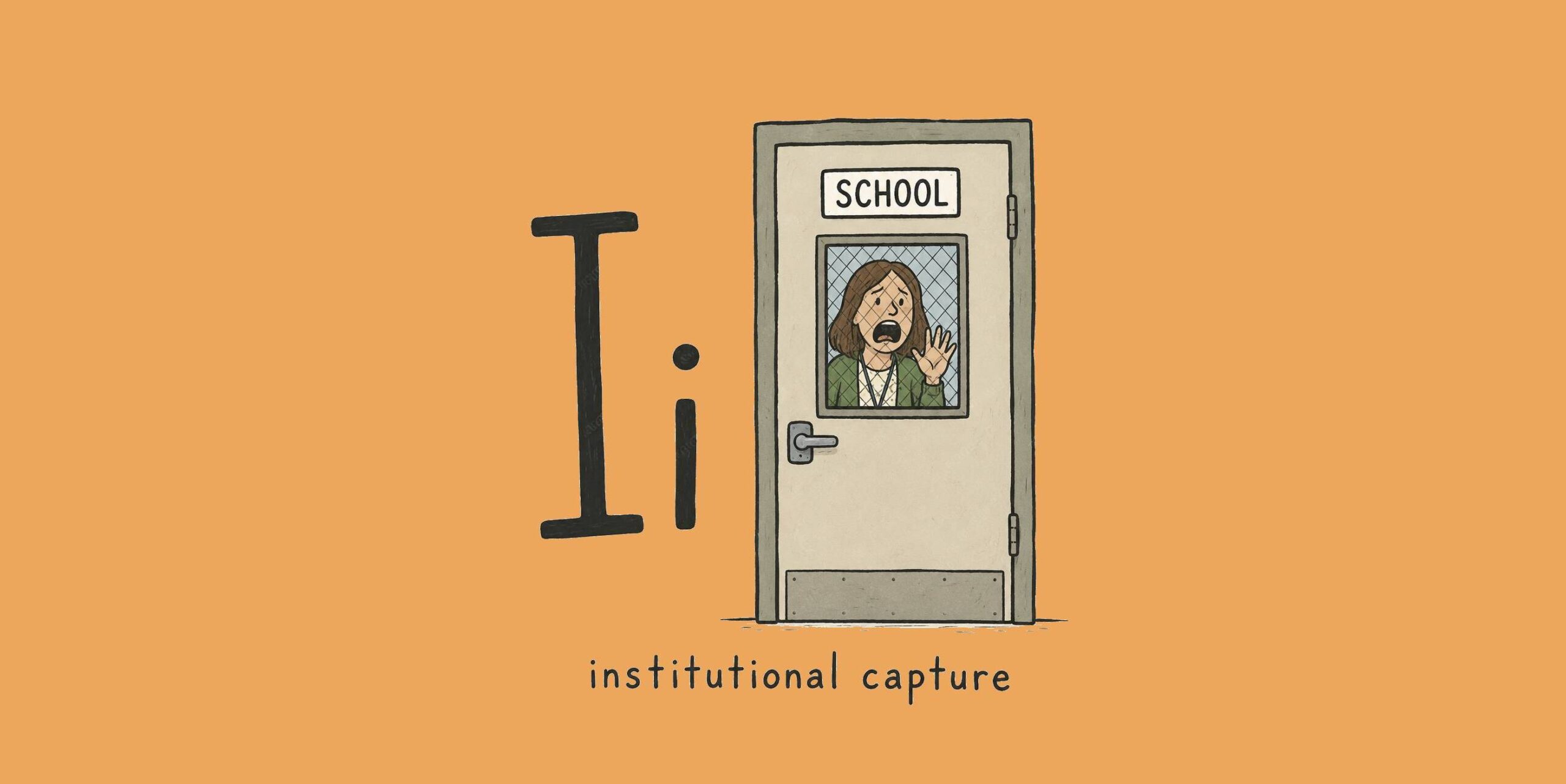
Being harmed by a system that insists it is helping can make you feel very isolated.
It can feel as though your family is the only family this is happening to. It can feel too specific to be systemic, too personal to be political, and too painful to explain without sounding as though you are exaggerating.
Then something shifts.
You connect with another parent. You find a phrase that describes what happened. You realise the practice already has a name.
That moment can be powerful, because the problem moves. It stops living only inside your family’s private distress and starts becoming visible as part of a wider pattern.
For years, I heard from families who described what was happening to their children in fragmented, apologetic language:
They said he couldn’t stay past lunch.
They kept calling me to pick her up.
They moved him to a room by himself and told me it was for his safety.
Many families worried their situation was unique: an unfortunate mismatch between their child’s temperment and this particular school, this particular teacher, this particular year.
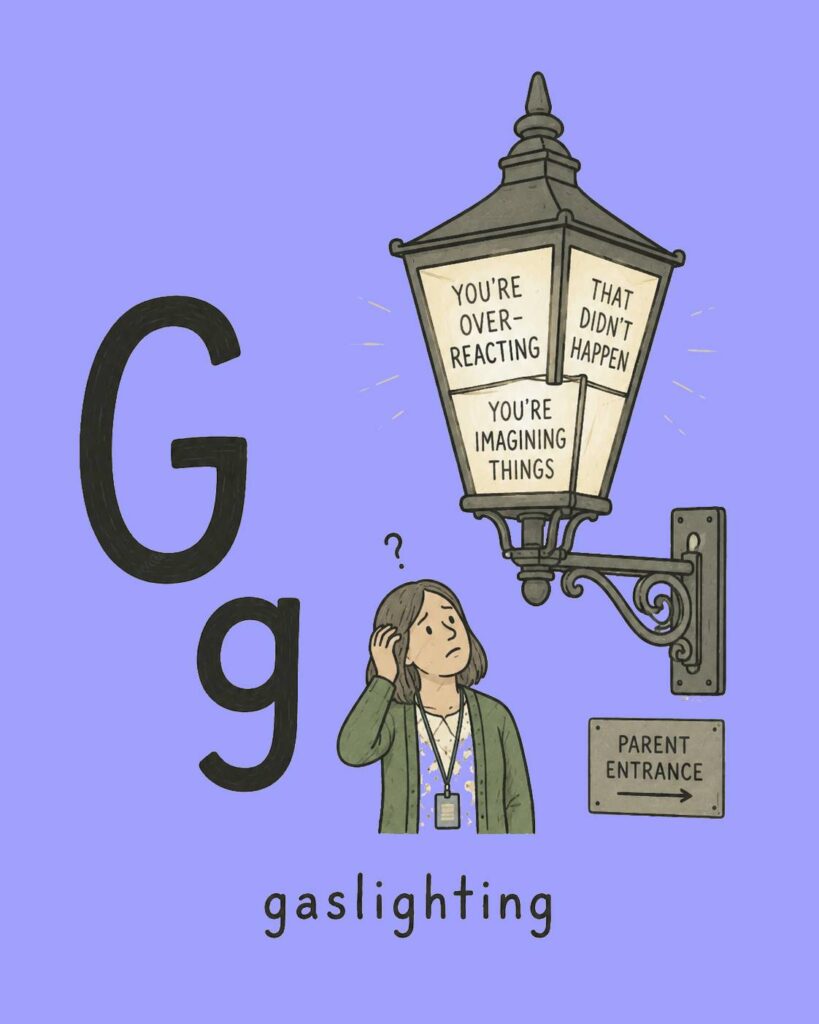
Isolation is part of the pattern
When a school reduces a child’s schedule without documenting it as exclusion, something more is happening than a scheduling decision.
When a principal frames removal as a “safety plan” rather than a suspension, something more is happening than crisis management.
When a parent is told, we just don’t have the resources for your child right now, something more is happening than a lack of support.
The institution is also constructing a story.
In that story, the problem is singular. It is located in the body, behaviour, diagnosis, or needs of one child. The family’s experience of harm becomes a private matter rather than a public pattern. Is there anything happening at home that we should know about? Has your child been receiving therapy? Maybe if you could trust the school a little bit more, your child would feel more trust. Many problems that are related to the environment and how that affects the child, get subtly pushed to the private domain, and a parent can feel scrutinised.
That isolation is not just a side effect of institutional failure. It is one of its outputs.
Systems that harm people individually and repeatedly rely on each harmed person believing they are alone. Collective recognition is the precondition for collective demand.
Shame comes before exhaustion
In Complaint! Sara Ahmed has written about how institutions manage complaint by exhausting the complainer: making the process so long, recursive, and draining that the person raising concern becomes the problem the institution needs to solve.
But shame often comes first.
Before a family is worn down by process, they may already be worn down by the quiet belief that they must have done something wrong:
A better parent would have handled this differently. A calmer parent would have been believed. A more organised parent would have got support sooner. The fact their child is suffering must mean something about their child, or about them.
That belief does not come from nowhere. It is produced by the architecture of the system their child was placed inside.
This is narrative violence: not the bruise, but the story that makes the bruise your fault.
The word was already waiting
I have spent years building an archive of these stories.
One of the things that became clear early — so early it now feels obvious, though it was not obvious at the time — is that the experiences families describe are not unique.
They are patterned.
They recur across districts, across provinces, and across decades.
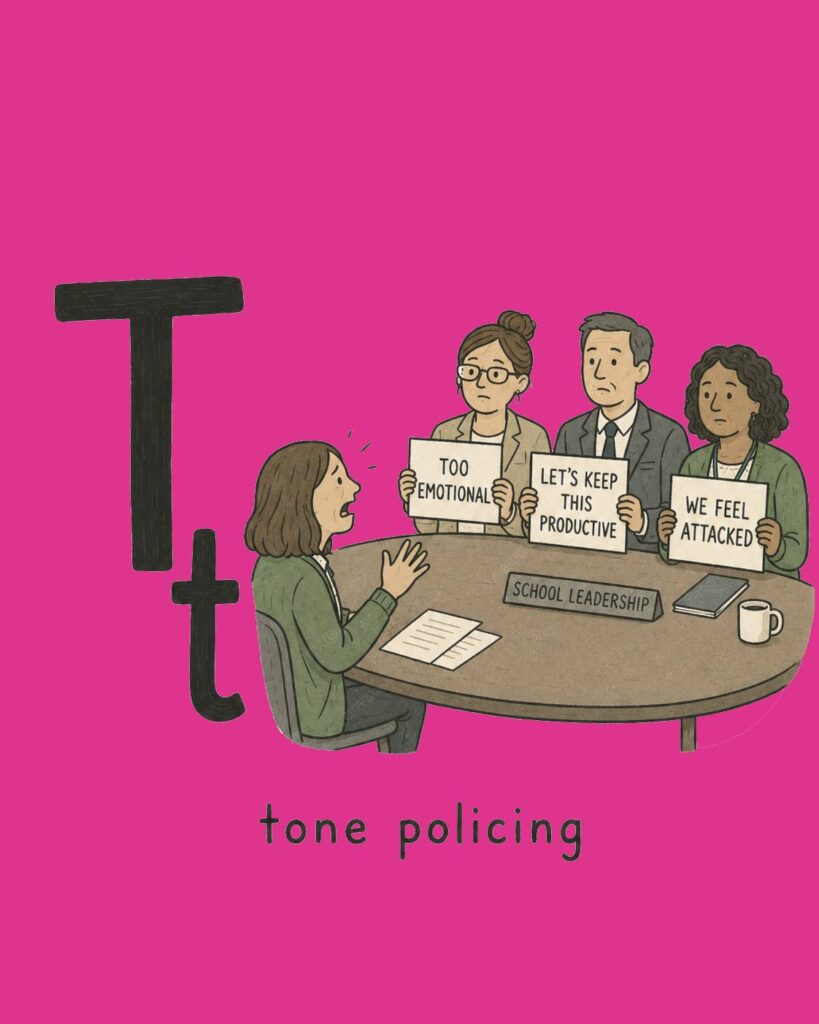
A child removed from a classroom so routinely that they attend school for ninety minutes a day has not simply encountered a scheduling problem. They have been placed on a partial schedule.
Partial schedules are a documented, recognisable, nameable practice with a specific relationship to inclusive education policy, human rights law, and the duty to accommodate.
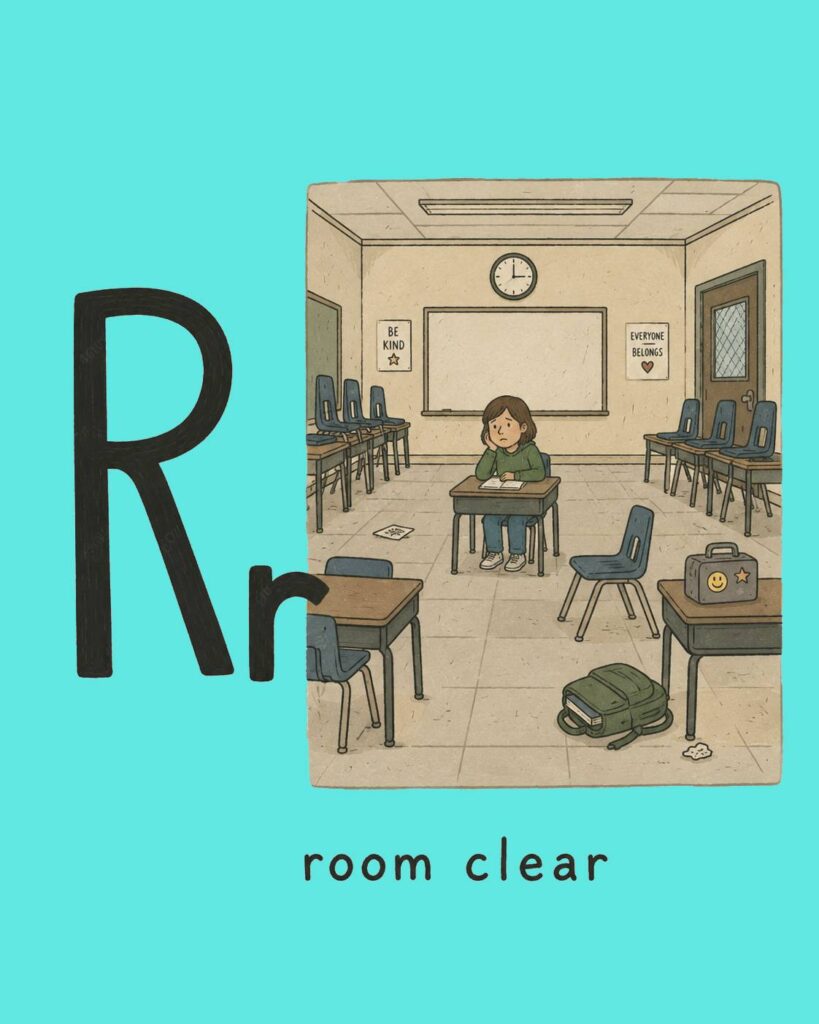
A child whose classmates are marched out of the room whenever that child is in distress has not simply experienced an improvised safety response. They have been subjected to a room clear.
Room clears are so common across BC school districts that they operate as informal policy, even though they are absent from nearly every district’s published procedures.
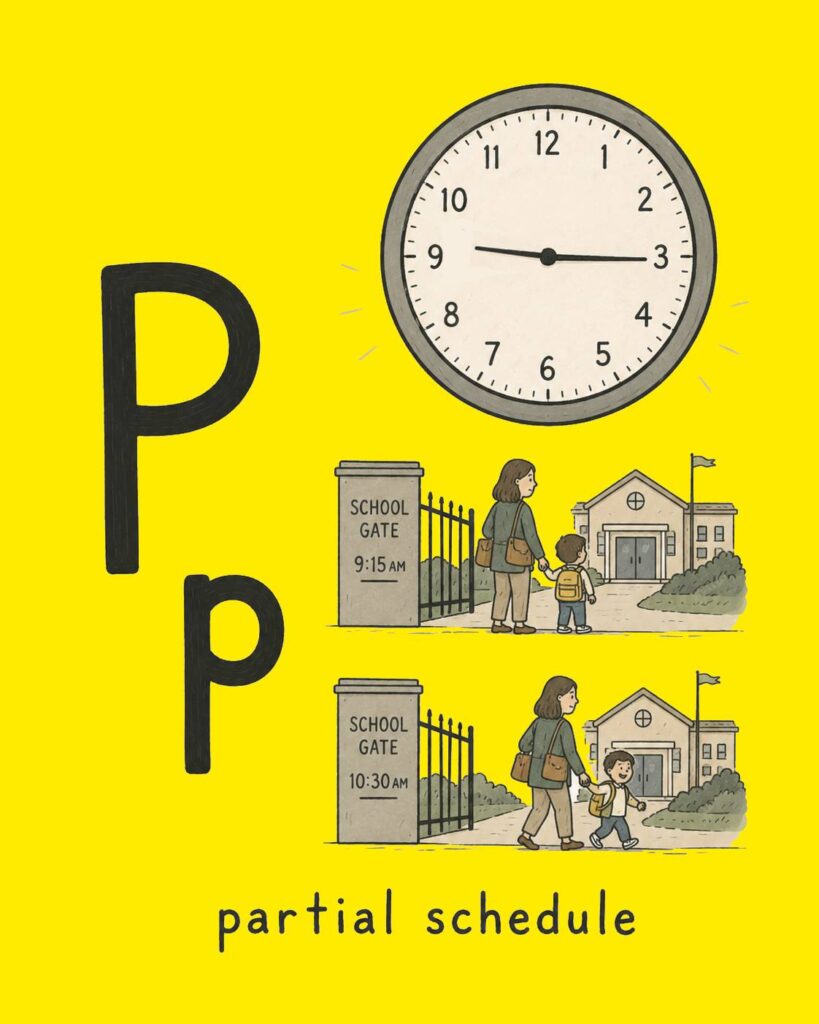
Naming changes where the shame belongs
The moment a family learns the word for what happened to them can create a profound shift.
The experience moves:
- from private suffering to public fact
- from something that happened to us to something that is done to people like us
- from a story in which the family is a failed protagonist to a story in which the family is a witness to systemic harm
Language does not merely describe the experience. It relocates it.
The shame that lived in the body of the parent begins to move toward the institution that produced it.
That is where it belonged all along.
Why the glossary exists
This is why I built the glossary.
Every definition I write is shaped by the families whose experiences taught me what the term actually means in practice, as distinct from what it may appear to mean in policy.
I built the glossary because the first barrier many families face is not legal or procedural.
It is linguistic.
Families often do not yet have the words for what is happening. Without those words, they may struggle to:
- search for others who have lived the same thing
- recognise the pattern they are inside
- name the harm in a complaint letter
- describe the issue in a human rights filing
- explain the concern in a conversation with their child’s teacher
- separate their child’s needs from the institution’s failure to accommodate them
The glossary is meant to lower that barrier.
It hands families some of the vocabulary that institutions already possess but rarely share, so the conversation about a child’s education can begin from something closer to equal footing.
Private confusion can become public knowledge
Every term in the glossary is a place where someone’s private confusion became public knowledge.
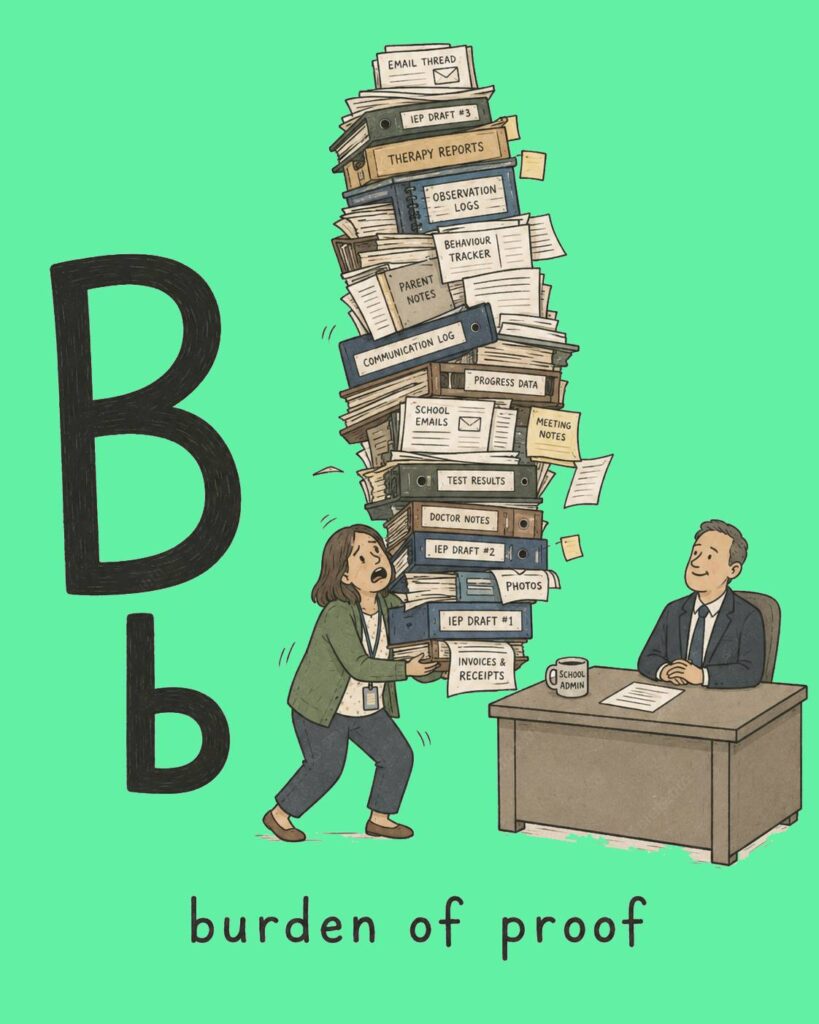
Accommodation refusal is not an abstraction. It is the name for what happened when a school said, we can’t do that, without documenting why, without exploring alternatives, and without acknowledging the legal obligation it was declining to meet.
Advocacy punished as aggression is not a theoretical construct. It is the name for what happened when a parent who asked too many questions was retaliated against, such as excluded from meetings, spoken about in emails they were not copied on, or managed rather than heard.
These terms matter because they help families recognise that what happened to them has happened to others.
They also make it harder for institutions to keep each incident sealed off as a one-family problem.
Shared language builds common ground
When we name these practices collectively, we do something institutions cannot do on our behalf and have no incentive to do for us.
We build the floor beneath each other’s feet.
The isolation that systems rely on begins to dissolve. Not because naming is enough, but because naming is foundational.
You cannot fight what you cannot describe.
You cannot organise around what you cannot recognise.
You cannot grieve what the institution has not yet permitted you to call harm.
The glossary is the shared language that makes the rest of the conversation possible.