

-

What’s the difference between raising a concern and making a formal complaint?
Schools often blur this distinction, and that ambiguity benefits the institution more than the family. Raising a concern is informal. It might be a conversation with a teacher, an email to a principal, or a meeting where issues are discussed but…
-

How do I know if what’s happening at school is serious enough to complain about?
Many parents hesitate to complain because they’re unsure whether what they’re seeing is “bad enough.” We all know that schools are underfunded and that classrooms are struggling. Schools rely on that uncertainty. The truth is that most serious problems don’t arrive…
-

My child is being bullied at school and the school won’t act. How can I get help?
This page addresses what to do when your child is experiencing bullying at school, the school knows about it, and isn’t doing enough to prevent/address the bullying. It covers the legal framework, the complaint pathways, and the documentation you need to…
-
My child is being excluded from school for behaviour that results from lack of support. How can I get help?
This page addresses what to do when your child is being suspended, put on a partial schedule, removed from class, or otherwise excluded from school for behaviour that is a direct consequence of disability, unaddressed bullying, chronic lack of accommodation, or…
-

My autistic daughter masks at school and collapses afterwards. The school says she’s fine. How can I get help?
This page addresses what to do when your autistic daughter is camouflaging at school, experiencing significant distress at home, and the school is using her apparent coping as evidence that she requires no support. It covers the research on masking, the…
-
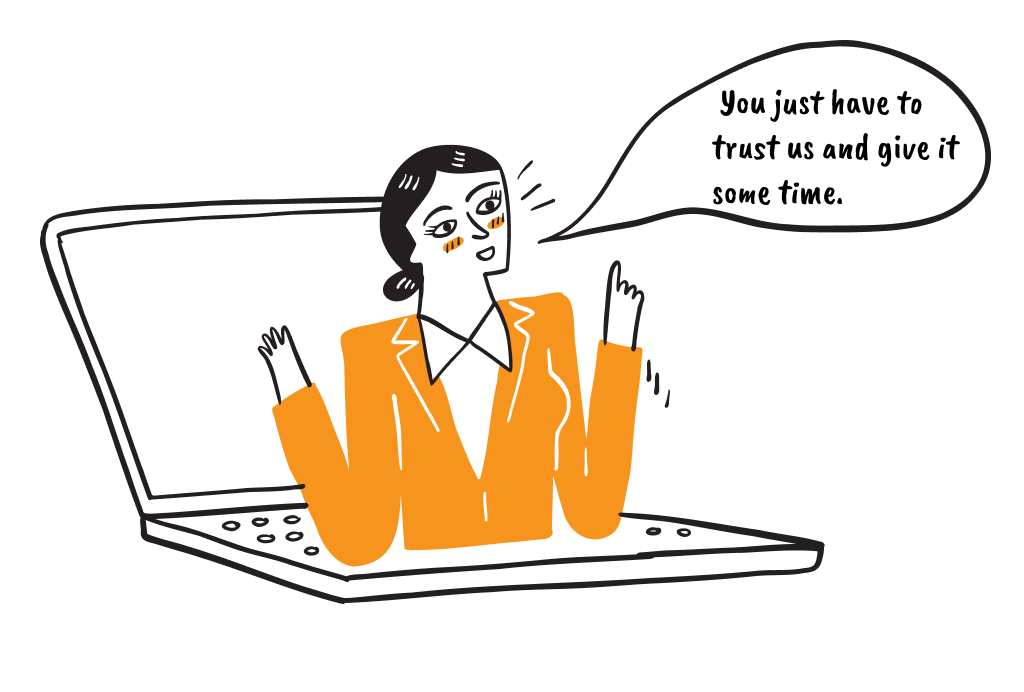
Why does my kid melt down every day after school if they’re “fine”?
It’s common for a child to appear “fine” (or even unusually quiet, compliant, and capable) in the classroom—and then unravel after school with crying, anger, shutdown, or explosive behaviour at home. Clinicians and parent-support organisations often describe this as a release…
-
What does education advocacy burnout look like?
You began advocating for your child’s needs at school, and you expected the process to take weeks, perhaps a term. It has been months now, or years, and something inside you has shifted in ways you did not anticipate and cannot…
-
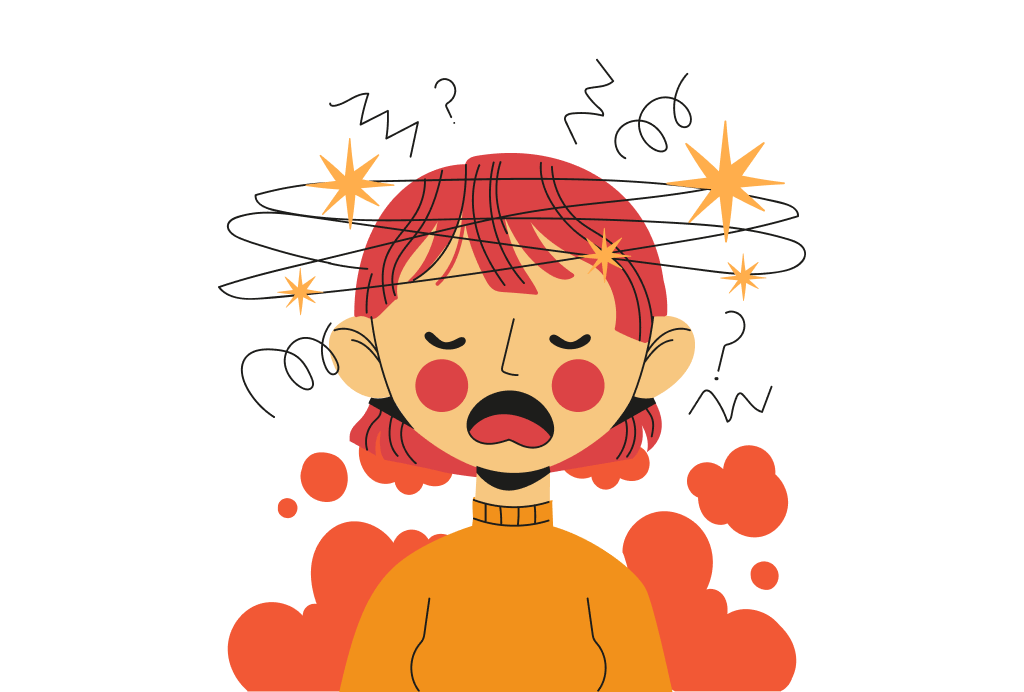
What if my complaint gets dismissed?
Many complaints are dismissed at the screening stage. The BC Human Rights Tribunal has discretion to refuse to accept a complaint if it determines that proceeding would not further the purposes of the Human Rights Code, if the complaint has no…
-

What if I make things worse by complaining?
Things are already bad, or you would not be reading this. The question families carry when contemplating formal complaint is whether advocacy will intensify the harm their child already experiences. This fear is reasonable. Schools wield enormous power over children’s daily…
-
Will the school retaliate against me?
Retaliation is illegal under the BC Human Rights Code. Section 43 explicitly prohibits adverse treatment against anyone who files a complaint or participates in a human rights process. The law recognises that retaliation chills advocacy, silences families, and perpetuates discrimination by…