

Home » About K12 complaints » Glossary
gaslighting
Distortion of facts to undermine parent credibility. Schools deny events parents witnessed, recharacterise documented incidents, claim parents misunderstood, or suggest parent anxiety is distorting perception. Gaslighting includes altering meeting minutes, claiming emails were never received, describing exclusion as accommodation, or positioning institutional harm as parent overreaction. Gaslighting destabilises families, erodes confidence, and forces them to question their own knowledge whilst schools maintain narratives that absolve them of accountability.
-

My child is being excluded from class: room clears and partial schedules
If your child is regularly sent home early, placed on a shortened day, or repeatedly left alone in a classroom while other children are moved out, they are being excluded from education. Schools in BC sometimes present these arrangements as support…
-

How do I file a complaint against a teacher in BC?
You probably have tried everything else first. You have written the polite emails, attended the meetings where nothing changed, listened to reassurances that dissolved within days, and absorbed the particular exhaustion of being told that patience is the answer while your…
-

What if my child is scared to go to school?
When a child is afraid to go to school, it is often treated as a behaviour problem: refusal, avoidance, or anxiety that needs to be managed. But fear rarely appears without a reason. Children are much more likely to engage in…
-
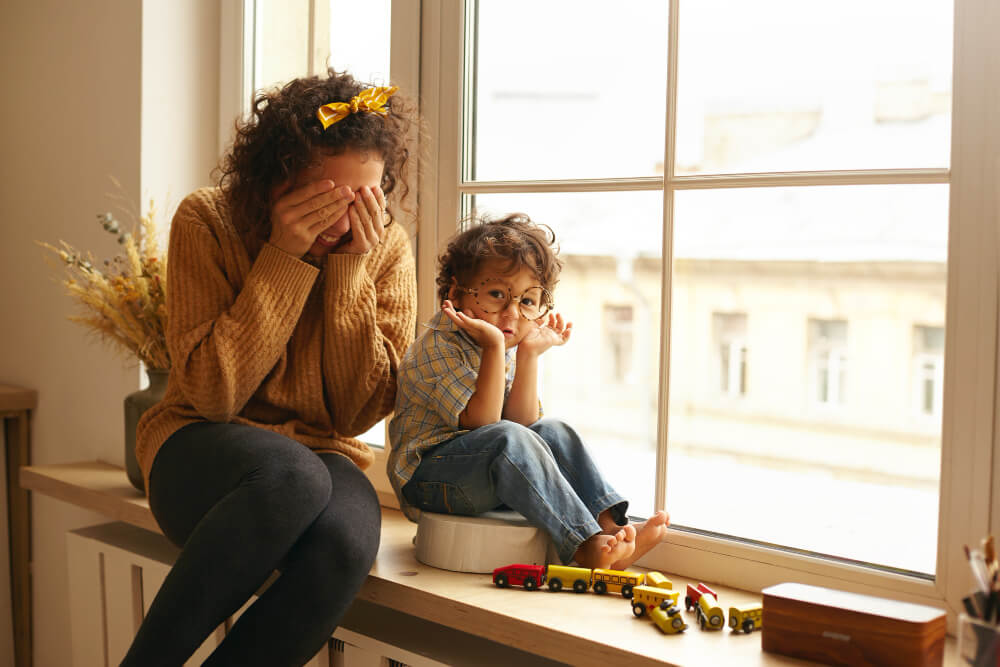
Is my child’s school gaslighting me?
Institutional gaslighting occurs when a school or district systematically undermines your perception of events, dismisses your documented concerns, or reframes harm as misunderstanding—leaving you to question whether the problem lies with you rather than the system. This form of psychological manipulation…
-

Don’t wait for an apology to heal
The apology is probably not coming. It is worth saying plainly, before anything else, because so much of what keeps families suspended in the aftermath of institutional harm is the unspoken anticipation of it — the sense that healing cannot properly…
-

What does success actually look like in school complaints?
Success in school complaints rarely looks like the resolution families imagined when they began. There is almost never an apology. There is rarely an admission that something went wrong. The school will not, in most cases, say plainly that your child…
-
How do I protect my child emotionally while pursuing a complaint?
Complaints are stressful for the whole family, and children are perceptive in ways that adults consistently underestimate. A child does not need to overhear a specific conversation to absorb the tension that a complaint process generates — they feel it in…
-

What if the school says “this is just how we do things”?
Institutional normalisation is not a legal defence, and it is not a satisfactory answer. “This is our practice” is one of the most common responses families receive when they challenge something a school has been doing for a long time without…
-

Can I pursue more than one complaint pathway at the same time?
Yes. Many families assume they must choose one path and exhaust it before opening another. In reality, different pathways address different dimensions of the same harm, and pursuing them in parallel is not only permitted — it is often strategically essential.…
-

What’s the risk of waiting too long to escalate a complaint?
The biggest risk is not conflict. It is lost options. BC’s formal complaint pathways carry hard deadlines that run whether or not you are aware of them. A human rights complaint must generally be filed within one year of the last…