

Home » About K12 complaints » Glossary
disability justice
Framework centring disabled students’ rights and dignity. Disability justice recognises ableism as systemic violence, challenges medical model deficit narratives, affirms neurodivergent and disabled ways of being, and demands material redistribution rather than conditional inclusion. Disability justice names accommodation as obligation rather than charity, treats access as collective responsibility, centres the voices of disabled people, and understands educational exclusion as connected to broader structures of marginalisation, incarceration, and abandonment.
-
Solving problems at school: crisis, restraint, and safety
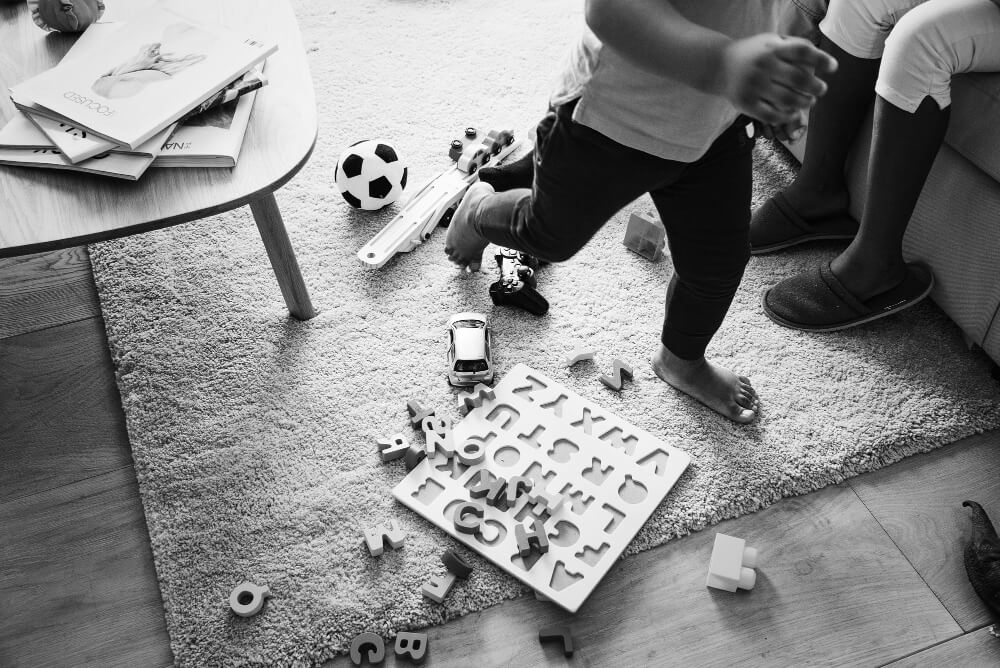
This page addresses physical restraint, isolation, crisis intervention, and unsafe school conditions in BC schools, and specifically their impact on disabled and neurodivergent children, who are disproportionately subjected to these practices. A child in crisis is a child whose nervous system…
-

Solving problems at school: punitive discipline and behaviour systems
This page addresses punitive discipline and behaviour management practices in BC schools, and specifically their impact on disabled and neurodivergent children, who bear a disproportionate share of their harm. When a school applies a behaviour system to a disabled child without…
-

Solving problems at school: accommodation and IEP failures
When a school fails to accommodate a disabled child, it rarely announces the failure plainly. The accommodation does not arrive; the IEP goal sits unimplemented through term after term; the education assistant’s hours are quietly reduced without consultation; the psychoeducational assessment…
-

Solving problems at school: exclusion and removal
Exclusion takes many forms in BC schools, and most of them have been given names designed to obscure what they are. A “gradual entry plan” is a partial schedule. A “room clear” is the isolation of a disabled child in an…
-

My child is being bullied at school and the school won’t act. How can I get help?
This page addresses what to do when your child is experiencing bullying at school, the school knows about it, and isn’t doing enough to prevent/address the bullying. It covers the legal framework, the complaint pathways, and the documentation you need to…
-
BC’s Office of the Human Rights Commissioner — educational sessions
BC’s Human Rights Commissioner periodically hosts free 90-minute webinars on topics like: These are not legal advice but good background on what rights you have under BC law. Learn more
-

My autistic daughter masks at school and collapses afterwards. The school says she’s fine. How can I get help?
This page addresses what to do when your autistic daughter is camouflaging at school, experiencing significant distress at home, and the school is using her apparent coping as evidence that she requires no support. It covers the research on masking, the…
-

BC Human Rights Clinic — online workshops & videos
The BC Human Rights Clinic regularly offers workshops, training, and recorded webinars about: These resources are practical and directly connected to legal help organisations that assist complainants. Learn more
-

How districts redirect—and how to stop them
When families request accommodation, districts rarely respond by addressing the child’s needs directly. Instead, they shift the focus. Each response often moves attention away from your child and toward institutional constraints, systemic limits, or behavioural justifications for denial. This redirection is…
-

What does duty to accommodate mean?
The duty to accommodate is the strongest legal protection parents have when a disabled child is struggling at school in British Columbia. It comes from the BC Human Rights Code, not from school policy. This guide explains: You do not need an IEP, a designation, or…