

Home » About K12 complaints » Glossary
disability justice
Framework centring disabled students’ rights and dignity. Disability justice recognises ableism as systemic violence, challenges medical model deficit narratives, affirms neurodivergent and disabled ways of being, and demands material redistribution rather than conditional inclusion. Disability justice names accommodation as obligation rather than charity, treats access as collective responsibility, centres the voices of disabled people, and understands educational exclusion as connected to broader structures of marginalisation, incarceration, and abandonment.
-
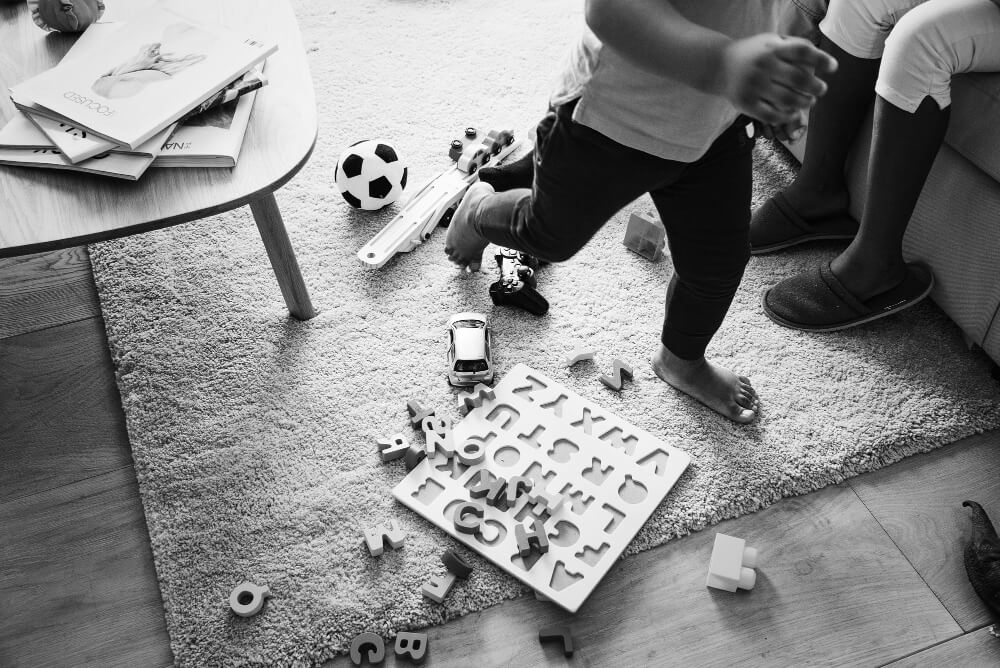
Humiliation harm: the invisible injury in schools
Many school harms leave no visible mark; they are social injuries, moments when a child’s distress becomes a spectacle and their dignity becomes collateral damage. For disabled students, particularly autistic children, those with ADHD, and those navigating trauma or anxiety, humiliation…
-

The school is ignoring my child’s IEP
Individual Education Plans (IEPs) are meant to translate a child’s rights into daily practice at school. But many families discover that having an IEP on paper does not always mean the supports in it actually happen. This guide explains what an…
-
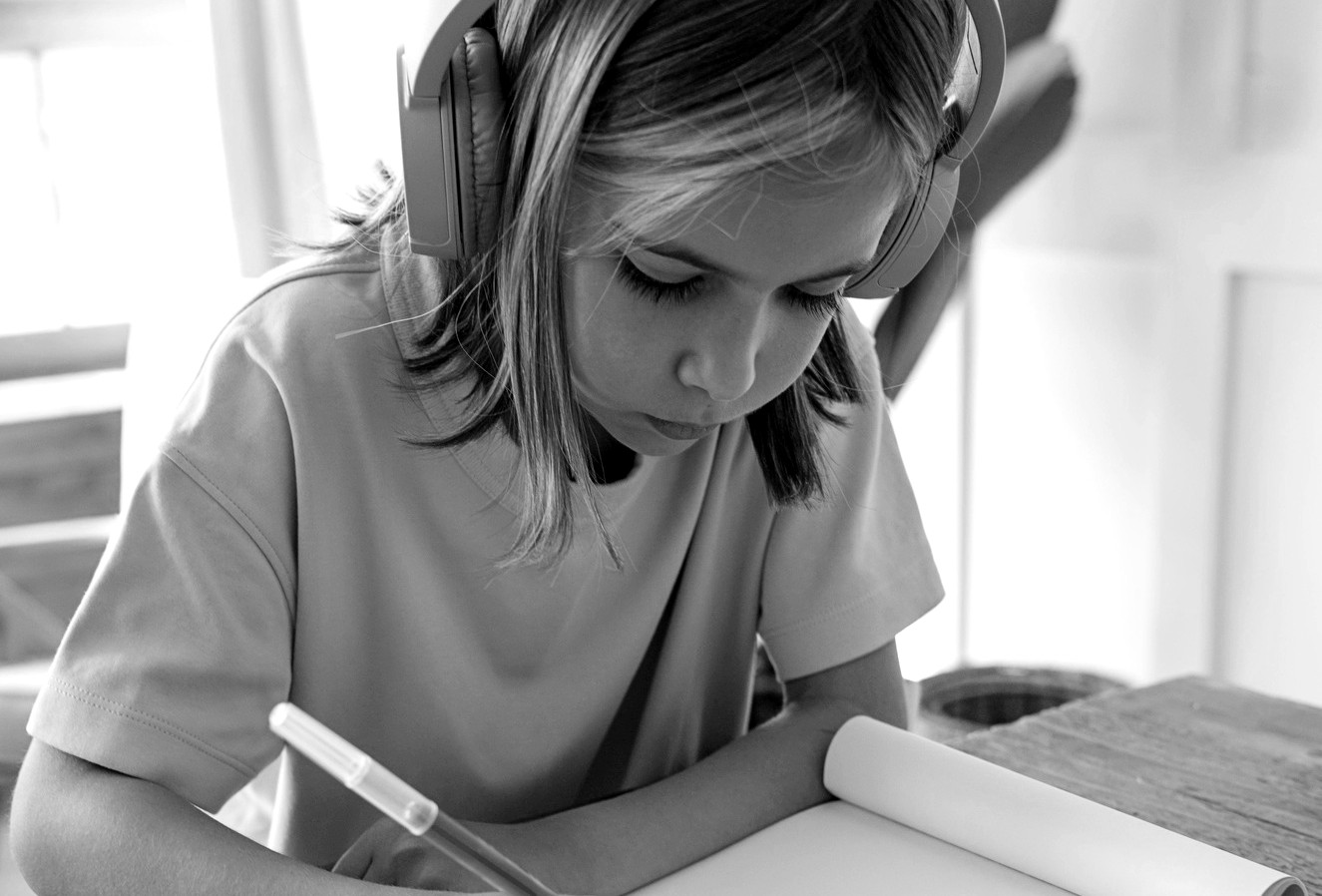
My child is being excluded from class: room clears and partial schedules
If your child is regularly sent home early, placed on a shortened day, or repeatedly left alone in a classroom while other children are moved out, they are being excluded from education. Schools in BC sometimes present these arrangements as support…
-

Making a Human Rights Complaint in BC (Recorded Webinar)
A 60-minute recorded webinar by People’s Law School, which explains how human rights complaints work in BC, including: Recommended for parents who want an online legal overview of whether discrimination might have occurred and how human rights complaints work in BC.
-

Why this site exists: when something goes wrong at school
When something goes wrong at school—when a child is excluded, harmed, or unsupported—families are usually told to “work it out with the school first.” On the surface, that sounds reasonable. Most parents want to resolve problems collaboratively. They want relationships with…
-

Courthouse Libraries BC — human rights webinars
Courthouse Libraries BC (a trusted legal education provider) hosts webinars including: These sessions are often aimed at both the public and legal intermediaries and are solid introductions to legal processes. Learn more
-

Don’t wait for an apology to heal
The apology is probably not coming. It is worth saying plainly, before anything else, because so much of what keeps families suspended in the aftermath of institutional harm is the unspoken anticipation of it — the sense that healing cannot properly…
-

What does success actually look like in school complaints?
Success in school complaints rarely looks like the resolution families imagined when they began. There is almost never an apology. There is rarely an admission that something went wrong. The school will not, in most cases, say plainly that your child…
-
How do I protect my child emotionally while pursuing a complaint?
Complaints are stressful for the whole family, and children are perceptive in ways that adults consistently underestimate. A child does not need to overhear a specific conversation to absorb the tension that a complaint process generates — they feel it in…
-

What if the school says “this is just how we do things”?
Institutional normalisation is not a legal defence, and it is not a satisfactory answer. “This is our practice” is one of the most common responses families receive when they challenge something a school has been doing for a long time without…