

Home » About K12 complaints » Glossary
complaints!
This section looks at school district complaint processes from a family perspective. We analyse district policies, explain escalation pathways, and name the structural reasons complaints often feel exhausting rather than corrective. It’s for parents navigating harm, delay, or exclusion who need clarity about what complaint systems are designed to do — and when it makes sense to move beyond them.
-
The problem with district complaint processes
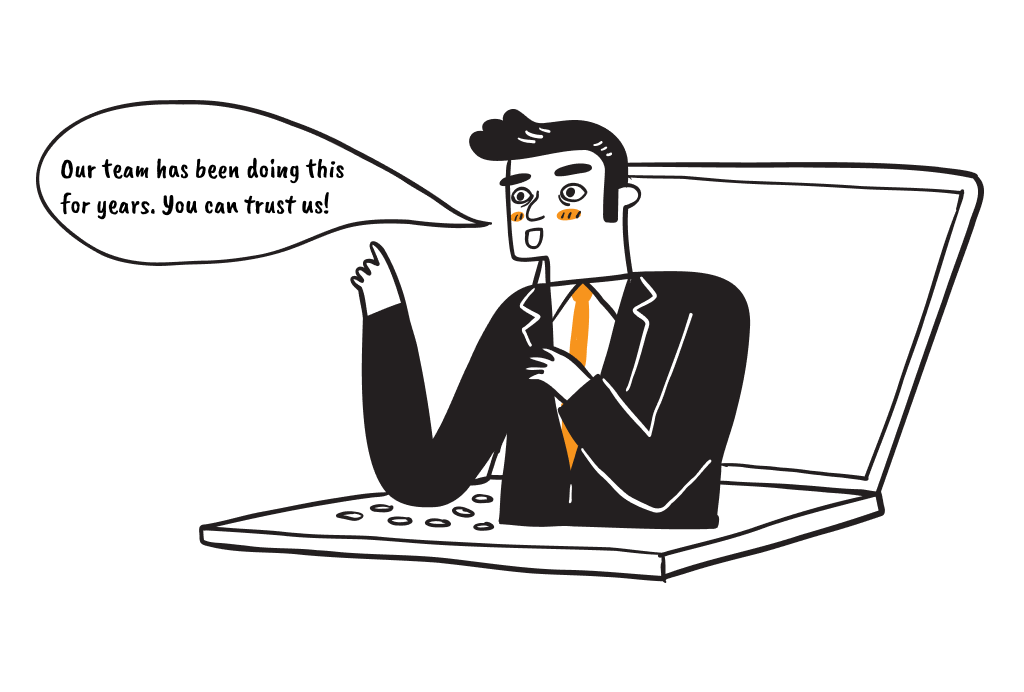
Most district “inquiries and concerns” policies are not actually complaint procedures. They are: They prioritise institutional control and containment, not resolution, accountability, or fairness. A real complaints process answers four questions clearly: Most of the policies you’ve reviewed answer none of these well. Escalation without…
-

What does duty to accommodate mean?
The duty to accommodate is the strongest legal protection parents have when a disabled child is struggling at school in British Columbia. It comes from the BC Human Rights Code, not from school policy. This guide explains: You do not need an IEP, a designation, or…
-

What parents expect when they file a complaint
When a parent files a complaint about harm to their child, the system looks reassuring. There are policies.There are timelines.There are appeal levels.There are forms to fill out. On paper, it promises fairness and due process. But many parents quickly discover…
-

District level remedies are temporary, exhausting, often for the comfort of staff
There’s a moment in every complaint process when the district hands you something and calls it a solution. A meeting. A plan. A support worker. A document promising to collaborate, reassess, and make sure your child’s needs are met. The language…
-
External escalation pathways: When to go outside the system
When school and district channels fail—when they don’t respond, respond inadequately, or engage in procedural games—you escalate to external bodies with actual enforcement power. This is not a threat. It’s a legitimate pathway for accountability.
-
When they fuck around: recognising delay tactics and procedural games
Schools deploy predictable patterns to avoid accountability. These patterns have names. Once you learn to recognise them, you stop being confused by why nothing ever gets resolved, and you start escalating strategically instead of performing process endlessly.
-

Template library: copy-paste emails for every escalation stage
This is your template library. Copy, paste, fill in the brackets, send. You don’t need to craft perfect prose or worry about tone. These templates are clear, factual, and professionally adequate. That’s enough.
-

The timeline: how to escalate a school complaint without losing it
School complaints don’t require months of documentation gymnastics and procedural performance before you’re allowed to ask for accountability. That exhaustive process exists to exhaust you—to make seeking justice so costly that you give up before you start.
-
It’s not you: the system is designed to say no
There is a moment many parents recognise, usually sometime after the third or fourth meeting, when a quiet, unsettling thought appears: Maybe it really is me.Maybe I’m overreacting.Maybe I am asking for too much. If you’re a mother, the thought often…
-

Accountability in a broken system
This site exists to document systemic failures in public education, not to assign individual moral blame. Teachers are working inside conditions shaped by chronic underfunding and policy choices that prioritise budget optics over human need. When harm occurs, it is rarely…